Engineering
Backend-first development with Java, Spring Boot, Python & Node.js.

Backend-Focused Software Engineer
Backend-focused software engineer building reliable systems, AI-powered services, and production-oriented applications — from first sketch to running production.
Backend-first · AI-assisted · Production-focused
Backend-first development with Java, Spring Boot, Python & Node.js.
AI-assisted planning, building, testing & review.
Business platforms, intelligent applications, APIs & automation.
Featured projects shaped by real problems — from first sketch to running production.
The person
“I care about what happens when software leaves the development environment and becomes a real system.”
I'm a backend-focused software engineer. I like taking a problem from idea to architecture, implementation, and deployment — and I care as much about what happens after launch as before it. That's when software stops being code and becomes a system that has to keep working.
Backend engineering is where I'm strongest: APIs, services, databases, architecture, data flow, security, performance, reliability, deployment. I'll work across the stack when a project needs it, but my center of gravity is the part that runs.
I use AI heavily in my workflow. It helps me move faster — exploring, prototyping, reviewing, debugging — but it doesn't replace engineering judgment. I understand, review, and own what gets built.
Engineering domains as a connected system. Select a domain to see the technologies behind it and the context in which I use them.
The core of every system I build.
Where a system succeeds or fails.
Features that ship, not demos.
Deployment is part of engineering.
Where the system's truth lives.
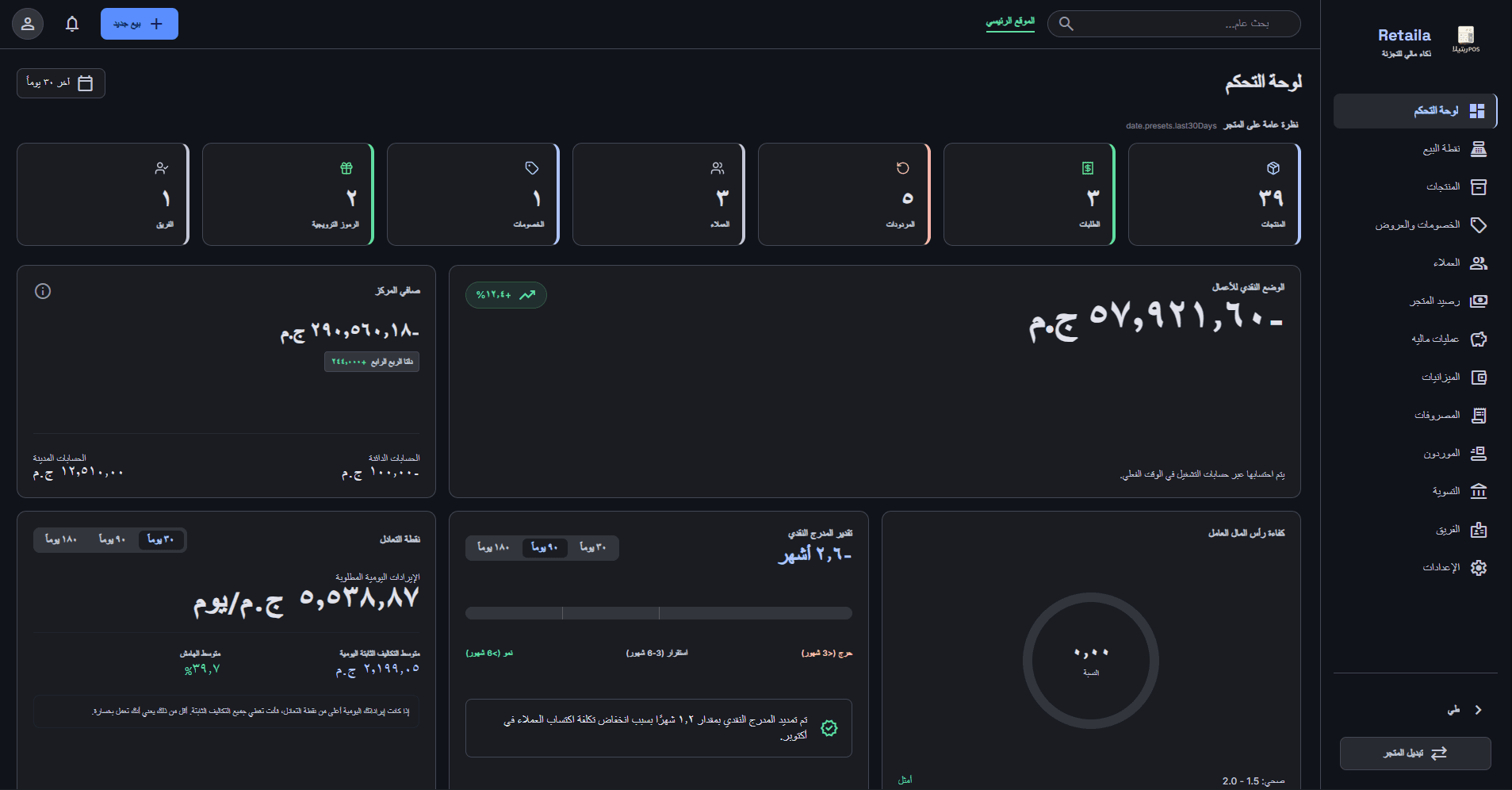
RETAILA is the proof.
How I actually work day to day.
The path
From writing code, to building systems that keep working — faster, with AI-assisted engineering.
01
Started with programming fundamentals — Java first, then Python, then JavaScript. Before anything else, I learned how software is actually constructed: how code becomes a program, and how a program becomes something people can use.
02
Moved from isolated applications toward APIs, databases, and backend architecture — systems that carry real business logic. This is where I started caring about how the pieces fit together, not just whether each piece runs.
03
Started thinking beyond individual features: architecture, data flow, failure, security, performance, scalability, deployment. This is where RETAILA and TAMINI happened — systems built to keep working after they ship.
04
Today I combine traditional software engineering with AI-assisted development — and I build AI-powered services into real products. AI is leverage; the engineering judgment and the ownership stay mine.
“AI is part of how I build software — in the products I ship, and in how I engineer.”
Two sides of the same tool. I build AI-powered features into real products — TAMINI's face-recognition pipeline, for example, where a FastAPI service turns face images into vectors and matches them against missing- and found-person reports.
And I use AI throughout my own workflow: exploration, implementation, debugging, review, documentation, prototyping. It makes me faster. It doesn't make the decisions — I review, understand, and own the systems it helps me build.
Standards
The standards I hold every system to.
Technology is secondary to understanding what the system actually needs to accomplish.
Good architecture makes every responsibility understandable and owned.
Don't introduce complexity just because a system could theoretically need it.
Software should survive real usage, failures, changing requirements, and deployment.
Good systems depend on good data models, consistency, and deliberate database design.
A system that works consistently is worth more than one that merely looks impressive.
I learn technologies deeply by using them to solve real problems.
AI accelerates my workflow, but I remain responsible for understanding and reviewing what gets built.
Three systems that show how I approach a problem — and that they keep working after they ship.
Backend Team Lead
2025
An AI-powered platform that connects missing-person and found-person reports using facial recognition and matching.
Independent design & build
2025
A reusable file upload and download engine for secure, resilient large-file transfers — shared infrastructure I reuse across projects.
Sole Developer & Architect
Jun 2026 – present
A production management platform for small businesses that centralizes inventory, sales, vendor payments, credits, refunds, and financial operations.
ahmedwalid9876543@gmail.com
Open to remote & freelance engineering work
Cairo, Egypt · Remote